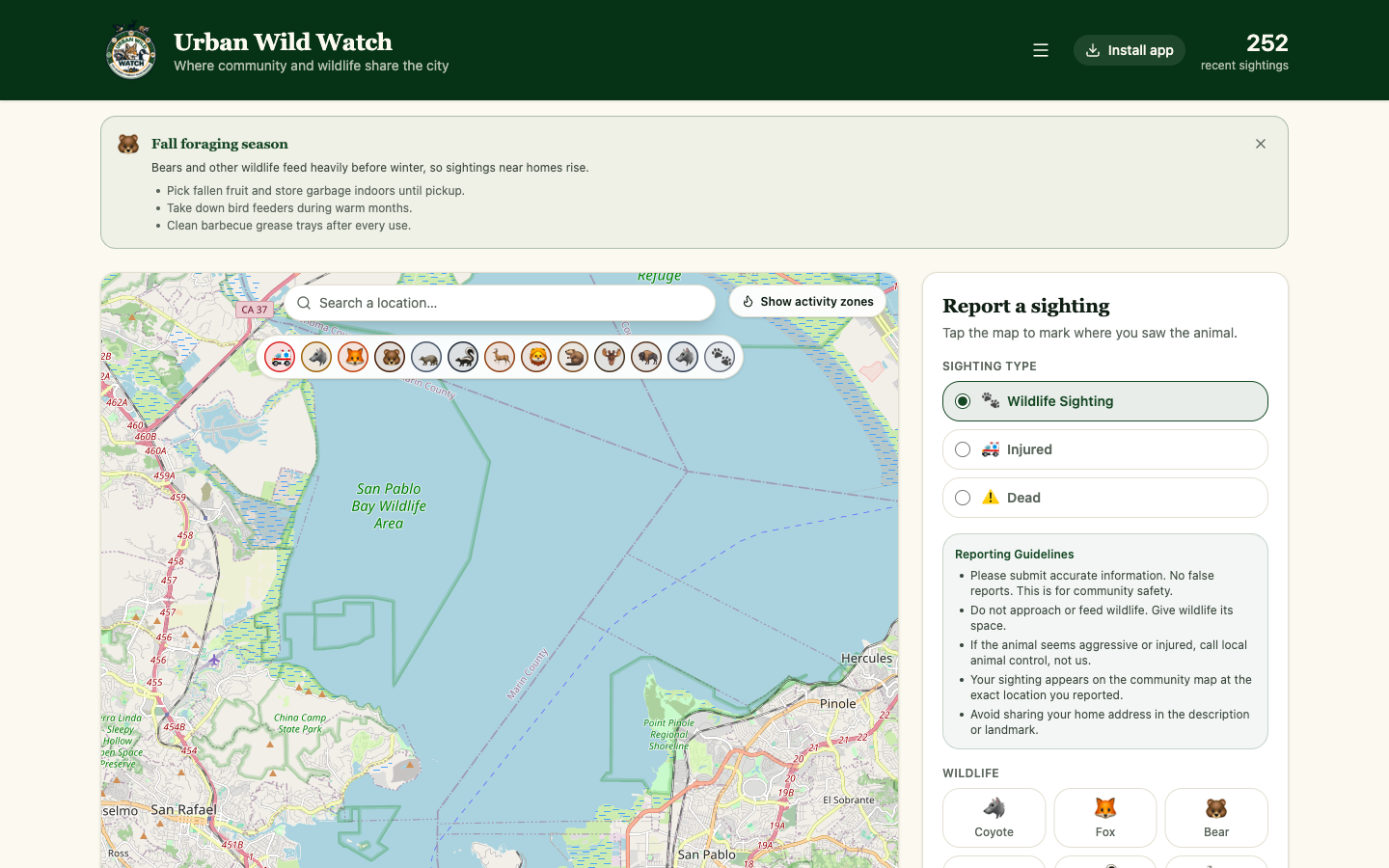
Build around a conversation
Describe pages and behavior, review a working result, and refine the application with follow-up instructions.
From idea to web product
A web product with room to grow
Lovable builds web applications through conversation, with editable code and a managed backend. Start with a usable page, then add accounts, data, and product features.
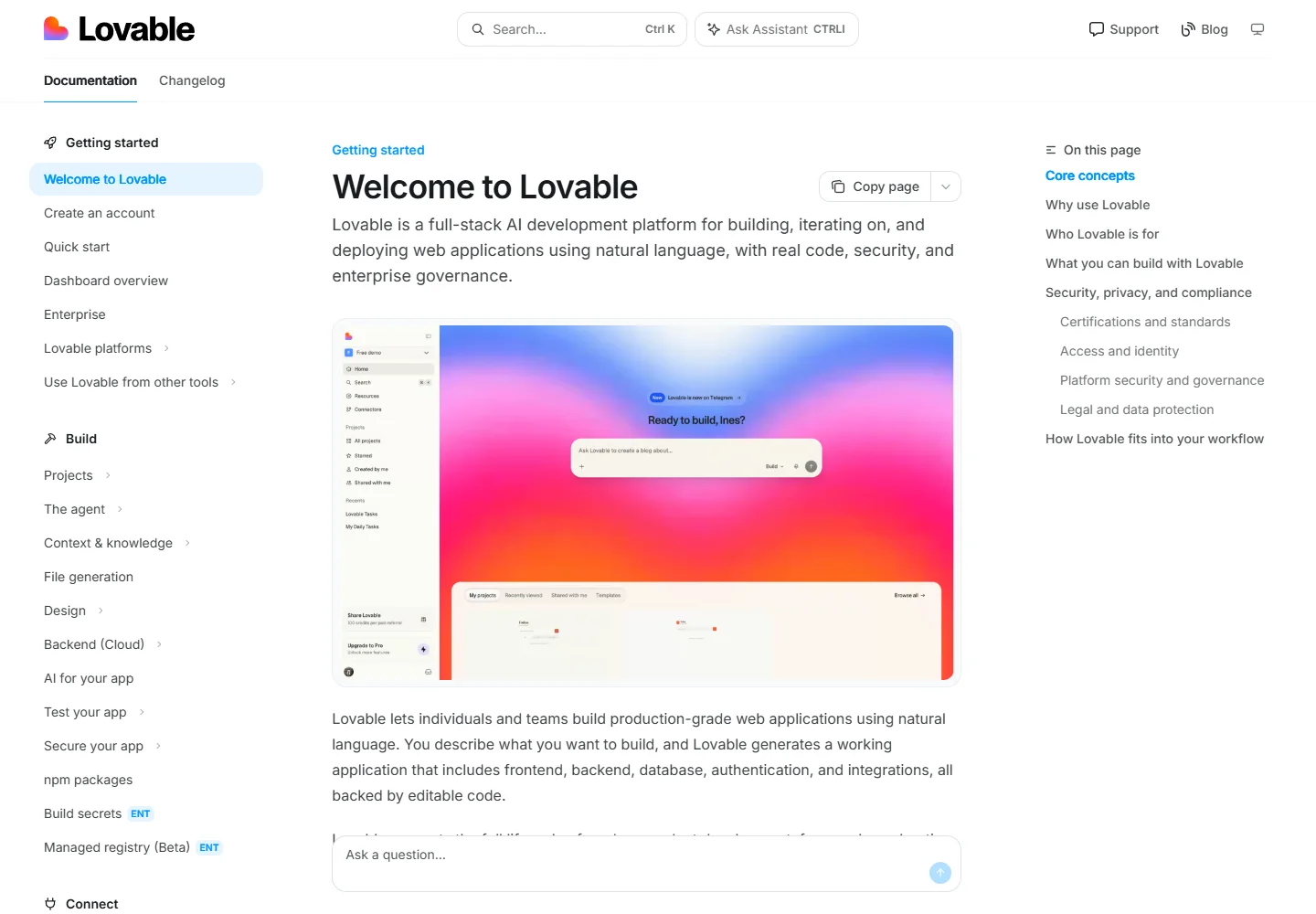
Meet the tool
Lovable brings frontend, backend, authentication, and integrations into one product. It suits an iterative path from an early concept to a published application that a team can keep improving.
The code can also join an engineering workflow. Git sync connects a project to a repository you own, so work can continue in Lovable and in a developer’s local editor.
| Aspect | What to expect | Evidence |
|---|---|---|
| Output | Full-stack web applications with editable code | Official guide ↗ |
| Backend | Managed database, authentication, and functions | Official guide ↗ |
| Code handoff | GitHub and GitLab synchronization | Official guide ↗ |
What it helps you do
Describe pages and behavior, review a working result, and refine the application with follow-up instructions.
Add database, authentication, and backend functions, then publish with managed hosting and HTTPS.
GitHub and GitLab integrations synchronize changes both ways, supporting local editing and team code review.
Inside the workflow
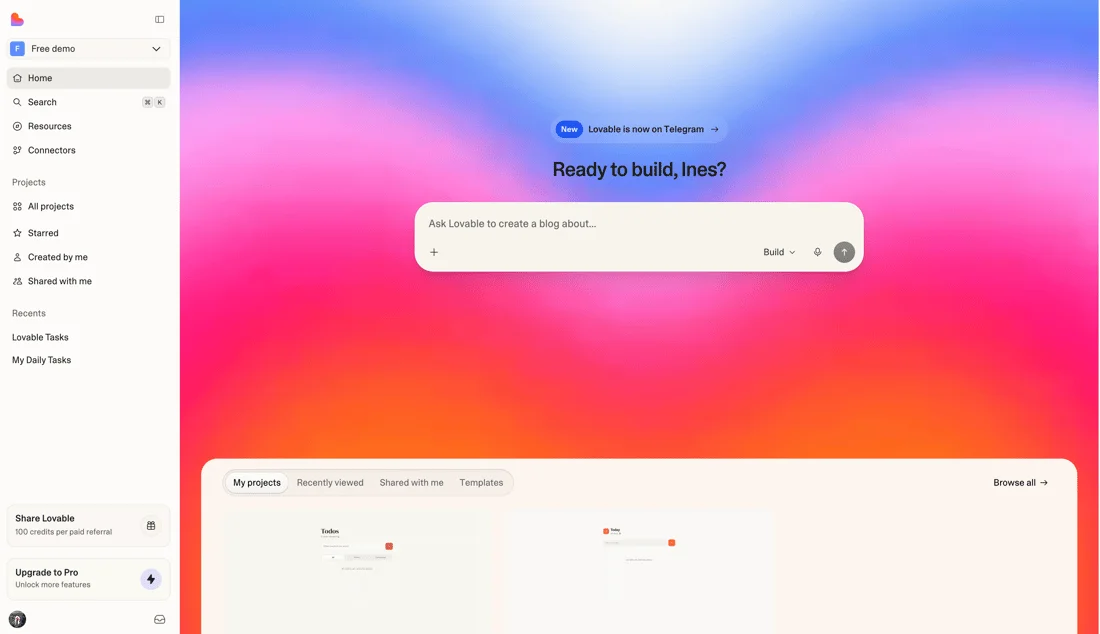
A closer look from the official resources. Open the image to inspect it at full size.
Start here
Start with the audience and key pages. A focused first version makes the initial experience easier to evaluate.
Iterate on the interface, then introduce the backend and authentication needed for the core user journey.
Publish a snapshot to a live URL. Use Git sync when developers need to continue in their own tools.
VibeAtlas editorial guidance
A suggested evaluation, based on the documented workflow.
A useful trial is a customer portal with sign-in and a small set of private records. Check it as two different users, revise one screen, and publish the result. This exposes the decisions that a polished landing page can hide: access rules, persistent data, and release behavior.
If developers will maintain the product, include repository synchronization in the trial. Decide who owns deployment and backend configuration before the prototype becomes a service people depend on.
Questions before you start
Yes. Lovable's platform includes frontend creation, database, authentication, and integrations, with editable application code. The exact backend setup should still be checked against the data and access requirements of the project you are building.
Read the official explanationGit sync connects a project to GitHub or GitLab, allowing the generated codebase to participate in an engineering workflow. Follow the integration guide for repository connection and synchronization rather than treating a downloaded snapshot as a continuous connection.
Read the official explanationThe published site is a snapshot. Continue editing in the project, then publish when the changes are ready for visitors. Review the live version after publishing, especially when a change affects forms or data-backed screens.
Read the official explanationThe platform uses credits, and the hosting guide distinguishes published-page hosting from backend execution. Estimate how frequently people will use data operations and AI features as well as how much building you expect to do.
Read the official explanationMade with this tool
These projects are part of the current public VibeAtlas collection.
Resources
Summarized from these official resources. Check the website for current features and plans.
Guide updated
Explore more tools